
 Airbnb

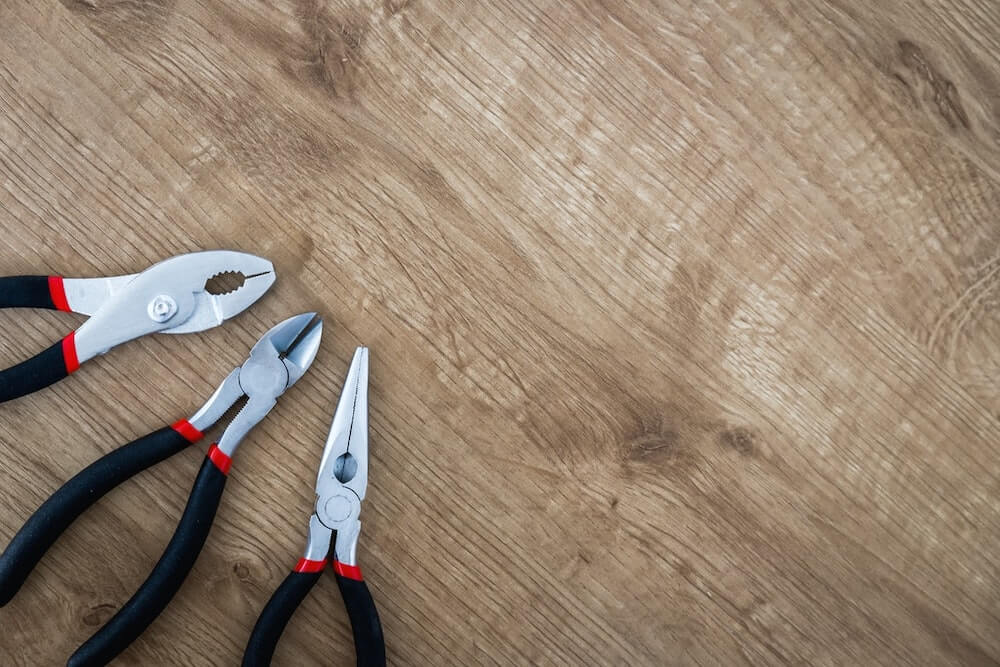
A single missed maintenance issue can bench your property for an entire peak season — and cost far more than a timely fix ever would.
Vacation rental maintenance is the systematic process of preserving your property’s condition so every guest arrives to a home that works exactly as advertised. With competition and guest expectations at an all-time high, a structured maintenance program is no longer optional — it’s a core part of running a competitive rental business.
What is vacation rental maintenance?
Vacation rental maintenance is the ongoing process of preserving the condition of your short-term rental property — from the foundation to the appliances.
Unlike your primary residence, a vacation rental faces a much higher volume of use. An active U.S. vacation market property can process 15 to 25 guest turnovers per month, each one a maintenance event. That level of traffic accelerates wear on floors, fixtures, locks, and appliances in ways a long-term rental never experiences.
To set the right guest expectations from the start, pair your maintenance program with clear vacation rental house rules and a solid rental agreement template.
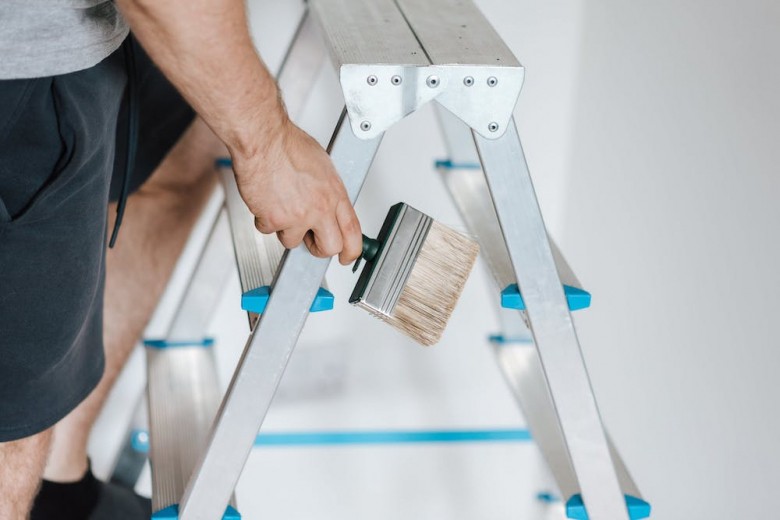
The goal of a maintenance program isn’t just to fix things when they break — it’s to catch small issues before they become expensive problems. A $150 HVAC tune-up, for example, can prevent a $2,000 compressor failure. A $75 irrigation check can head off a $400 leak repair plus water damage. Thinking about maintenance as an investment rather than a cost is the mindset shift that separates high-performing hosts from reactive ones.
How should you structure your vacation rental maintenance schedule?
The most effective framework breaks maintenance into three cadences: per-turnover tasks completed at every checkout, seasonal tasks handled quarterly, and annual inspections performed by licensed professionals. Structuring your routine this way ensures nothing falls through the cracks and that the right person handles each task at the right time. For hosts who manage their vacation rental remotely, this three-cadence structure is especially critical because it creates documented accountability at every stage.
| Cadence | Who does it | Key focus areas |
|---|---|---|
| Per-turnover | Cleaner / host | Detectors, faucets, appliances, dryer vent, stains, pest signs |
| Seasonal (quarterly) | Host / handyman | HVAC filters, exterior, landscaping, pool/hot tub, outdoor furniture |
| Annual | Licensed professionals | HVAC tune-up, electrical, plumbing, structural inspection |
Budget approximately 5%–8% of gross rent for annual repairs and maintenance. Operating costs can consume up to 50% of short-term rental revenue overall, so keeping maintenance predictable and preventive is one of the most direct levers you have on profitability.
What does vacation rental maintenance cover?
Vacation rental maintenance covers every system and surface a guest will interact with — or that could fail and affect their stay. The four core categories are security, interior, exterior, and appliances. Each category carries distinct inspection tasks, failure risks, and cost implications.
You can layer your house rules and rental agreement on top of this to set guest expectations, but the physical upkeep is entirely the host’s responsibility.
Maintain security
A solid security system is the foundation of everything else. Test the full range of motion on any detecting devices periodically — obstructions can develop over time and leave blind spots. Replace door and window lock hardware on a regular cycle to prevent old guests from using copied keys and to minimize the risk of forced entry. In 2026, smart locks have become a standard guest expectation, and they make remote management significantly easier.
Maintenance for the interior
Start at the outer edges of each room and work inward. Check walls, molding, and ceilings for cracks, mold, water stains, or structural damage. Inspect air vents and swap filters every 6–12 months depending on occupancy. A blocked ventilation system is a fire hazard, so clear airflow is non-negotiable.
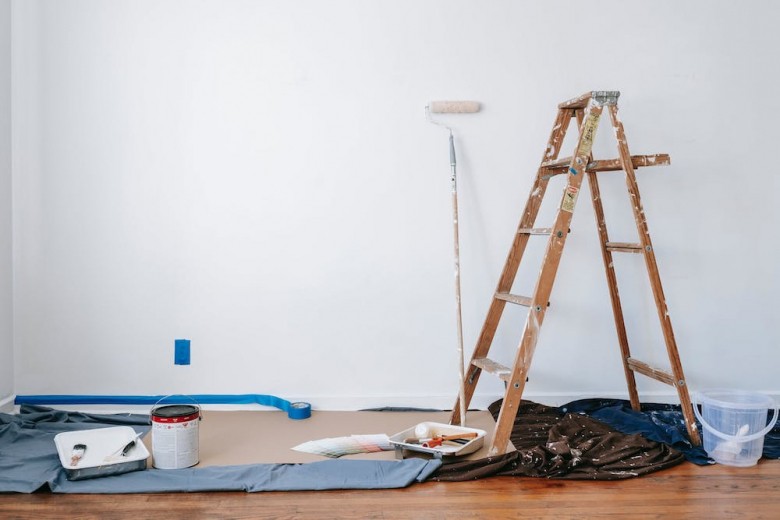
Once the perimeter of each room checks out, move to the contents. Verify that all outlets, electrical cords, and plugs are free of fire hazards. Look for evidence of rodents or pests — droppings on shelves, gnaw marks on furniture, or mud tubes near the foundation. Floors deserve special attention: rolling luggage and constant foot traffic cause wear that a long-term rental never sees, and floors are the first thing a guest’s eyes land on at arrival.
Maintaining the outdoor area
Exterior neglect doesn’t stay outside — termites, mildew, and structural damage all start from the outside in. Walk the full perimeter of the property and look for new damage, signs of underground rodents, weak fence points, and cracks in the driveway or sidewalk. A level, clear walkway is a basic safety requirement. If your vacation rental allows pets, fence integrity is especially critical.
Seasonal landscaping tasks include weekly mowing and trimming during the growing season, pressure-washing driveways and decks once or twice a year, and checking irrigation systems for leaks. If your property has a pool or hot tub, have a certified professional verify water chemistry, temperature, and filters before each high season — these amenities attract guests but carry real liability if neglected. Unique amenities like bikes, kayaks, or golf carts should also be inspected for wear before each season.
Preventive maintenance for appliances
Guests choose vacation rentals over hotels partly for the comforts of a fully equipped home. A broken oven during a Christmas cookie session or a non-functional dishwasher before a family dinner party is a guaranteed negative review. The best way to test appliances is simply to use them: run a load of laundry, cycle the dishwasher, test every burner, and adjust faucets from hot to cold. If you advertise it, it must work.
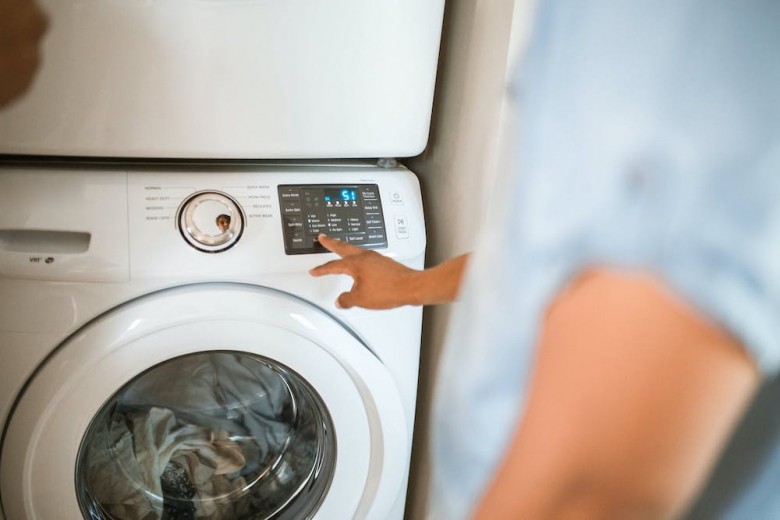
Don’t limit your appliance checks to the obvious repair-prone items like the refrigerator and washing machine. If your property includes a toaster, waffle maker, espresso machine, or breakfast bar, every single item needs to be tested.
Guests who book based on your listing photos and amenity descriptions will notice immediately if something is missing or broken — and they will say so publicly. Pre-arrival inspections that test all appliances and amenities before each check-in prevent most of guest-reported maintenance issues.
Vacation rental maintenance checklist: what to inspect at every cadence
A written vacation rental maintenance checklist is the single most effective tool for preventing missed inspections and guest-reported issues. Unlike a mental walkthrough, a checklist creates a documented record you can reference for damage claims, vendor handoffs, and platform dispute resolution. Organise your checklist into the three cadences below and assign a responsible party to each task.
Per-turnover checklist (every checkout)
At every guest checkout, the cleaner or host should verify: smoke and carbon monoxide detector function; all faucets and showerheads for leaks or low pressure; dryer vent clearance; all advertised appliances and small kitchen items; visible pest signs (droppings, gnaw marks); floor condition with dated photos; and any new stains, chips, or damage to walls and furniture. For a full vacation rental inspection walkthrough, see our dedicated guide.
Seasonal checklist (quarterly)
Each quarter, the host or handyman should address: HVAC filter replacement; exterior perimeter walk for structural damage, fence integrity, and rodent signs; pool or hot tub water chemistry and filter check (if applicable); pressure-washing of driveways and decks; irrigation system leak check; and inspection of seasonal amenities (bikes, kayaks, outdoor furniture, BBQ grills).
Annual checklist (licensed professionals)
Once per year, commission licensed professionals to inspect: HVAC system tune-up and refrigerant levels; electrical panel and wiring; plumbing for hidden leaks and water pressure; structural elements including roof, foundation, and load-bearing walls; and pest and termite inspection. Keep all inspection reports on file — they are your primary evidence in insurance claims and regulatory audits.
Common vacation rental maintenance mistakes to avoid
Even hosts with the best intentions make predictable mistakes when it comes to maintenance. Knowing what they are ahead of time lets you build systems that prevent them from happening to you.
Only checking the main appliances
Homeowners tend to focus on the appliances most likely to break in their own homes — the fridge, the microwave, the stovetop. But vacation rental guests will use everything you advertise, including the small appliances. Every item on your amenity list needs to be tested at every inspection. You’ll have to fix all repairs eventually anyway; it’s far better to discover issues yourself during a scheduled check than to have a guest report them mid-stay.
Not understanding the potential hidden costs
Skipping or rushing a maintenance inspection to save money is one of the most expensive decisions a host can make. The hidden costs of deferred maintenance fall into three main categories:
Fines
Your vacation rental is a business in the eyes of local authorities, and it must meet building, zoning, and safety codes. Regulations vary significantly by country, state, and municipality — always verify the specific requirements for your jurisdiction. In the U.S., safety compliance increasingly includes carbon monoxide detectors near all fuel-fired appliances; for example, Tennessee’s SB0515 (Tennessee Carbon Monoxide Detector Act, effective 2026) mandates CO detectors in all short-term rental properties. Noncompliance can result in fines running into the thousands of dollars. Staying current through regular inspections keeps you in good standing with local authorities wherever your property is located.
Long-term damage
Anything left untreated costs more over time. Termite damage that goes unnoticed for a year can compromise the structural integrity of your foundation — a repair that dwarfs the cost of an annual pest inspection. In the worst cases, structurally unsound homes must be demolished entirely. Thorough, timely inspections are the only reliable way to catch these issues while they’re still manageable.
Fewer bookings
Poor maintenance leads to poor guest satisfaction, which leads to fewer bookings and fewer return guests. Hosts who manage their rental remotely are especially vulnerable — they may only visit when something has already gone wrong. Paint chips, faulty thermostats, and broken outlets are enough to convince a guest never to return. A guest who paid a $400 nightly rate treats a slow drain as a product defect — and says so publicly. Your maintenance program is, in effect, your review-protection program.
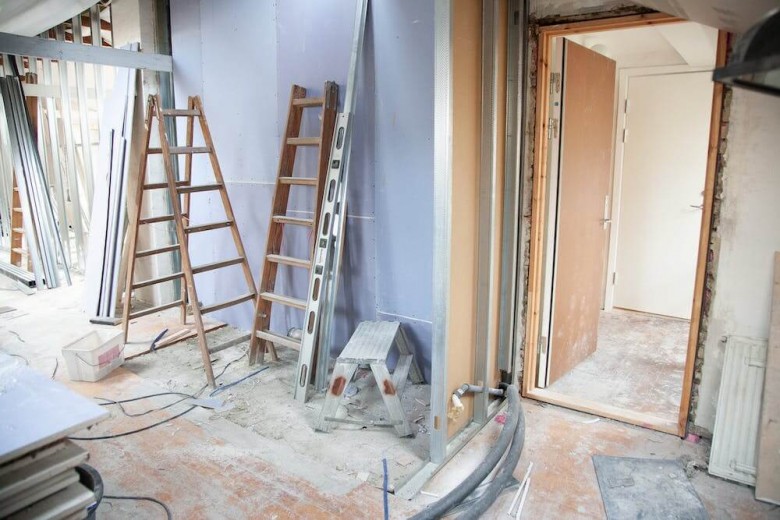
Allowing unpermitted construction
It’s tempting to find the cheapest fix when maintenance costs add up, but unpermitted construction is a serious risk. Local authorities hold vacation rentals to the same standards as any commercial business. Unpermitted work can result in fines, forced remediation, or even loss of your operating license. Beyond the legal risk, cheap fixes are usually temporary — you’ll pay again sooner than you would have if the repair had been done correctly the first time.
Expecting guests to do the heavy lifting
Guests can reasonably be asked to complete a few tasks before checkout — a basic cleaning checklist item or two is standard. But the vacation rental inspection is entirely the host’s responsibility. You can ask guests to report issues that arise during their stay, and that’s genuinely helpful, but they are not there to conduct your maintenance checks. Relying on guest reports as your primary quality-control mechanism means problems are only discovered after they’ve already affected someone’s experience.
Not following a written maintenance checklist
A mental walkthrough is not a maintenance plan. Keeping a structured checklist ensures you don’t skip steps, even when you’re confident you know the property well. Vacation rental maintenance looks different from maintaining a primary residence, and the differences matter. A written list keeps you accountable and gives you a record to reference if a guest ever disputes a damage claim.
Should you use vacation rental maintenance services?
If you’re making repeated trips to your property to handle issues that could have been caught earlier, it may be time to bring in professional help. The right answer depends on your property type, your proximity to the rental, and the standard you want to maintain. An older home with aging systems will need more hands-on attention than a newly built condominium.
Either way, building a local maintenance bench before your first booking is essential: a general handyman, a licensed plumber, an electrician, an HVAC technician, and an appliance repair specialist — all with after-hours contact numbers you can actually reach.
How smart home technology changes vacation rental maintenance in 2026
Smart home technology has moved from a nice-to-have to a standard guest expectation in 2026. Properties with smart locks, remotely managed thermostats, and noise monitoring generate fewer guest complaints and measurably outperform comparable non-smart properties in both review scores and occupancy rates.
From a maintenance perspective, smart devices create automated workflows that reduce wear and energy costs. When a guest checks out, property management software can trigger thermostats, water heaters, lighting, and plugs to switch into vacancy mode automatically. Noise monitoring tools like Minut detect crowd activity without cameras, helping you enforce property security and protect against damage before it happens. High-speed Wi-Fi and reliable smart locks are now viewed by modern travelers as essential utilities, not amenities.
How to handle in-stay maintenance issues
Even the best-maintained properties will occasionally have something go wrong during a guest’s stay. How you respond matters as much as the fix itself. Acknowledge reported issues within 30 minutes and share a resolution plan within about two hours — response speed is the strongest predictor of whether a maintenance issue becomes a review complaint. A guest who feels heard and sees action taken is far less likely to post a negative review than one who is ignored.
Equip your cleaning team with enzyme-based stain remover for immediate response to wine, coffee, and food spills. Take dated photos of flooring condition at every turnover — this documentation provides airtight evidence for damage claims and protects you from disputes. Inspections completed within 24 hours of checkout reduce your issue backlog and give you time to file damage claims before platform deadlines expire. For more strategies on keeping guests satisfied, see our guide on how to uplift the guest experience.
Frequently asked questions about vacation rental maintenance
What is a vacation rental maintenance checklist?
A vacation rental maintenance checklist is a recurring, scheduled set of inspections and servicing tasks organized into three cadences: per-turnover (every checkout), seasonal (quarterly), and annual (licensed professionals). It covers security systems, interior surfaces and appliances, exterior and landscaping, and all advertised amenities. Using a written checklist — rather than relying on memory — ensures nothing is missed and creates a documented record for damage claims.
How much should I budget for vacation rental maintenance?
Budget approximately 5%–8% of gross rent annually for repairs and maintenance. Preventive maintenance typically costs $800–$1,500 per year (USD) for scheduled service and inspections. Reactive maintenance — fixing things only after they break — costs $2,000–$5,000 or more annually. Operating costs overall can consume up to 50% of short-term rental revenue, so keeping maintenance predictable and preventive is one of the most direct ways to protect your margins. Cost ranges will vary by region and local labour rates.
How often should I inspect my vacation rental?
At minimum, conduct a full inspection at every guest turnover, a thorough seasonal check quarterly, and a professional inspection of major systems (HVAC, electrical, plumbing) annually. Pre-arrival inspections that test appliances and amenities before each check-in prevent most of guest-reported maintenance issues. If your property is older or has unique features like a pool, fireplace, or aging infrastructure, increase the frequency accordingly.
What are the most common vacation rental maintenance mistakes?
The most common mistakes are: checking only the major appliances and missing smaller advertised items; deferring inspections to save money (which always costs more later); allowing unpermitted construction; relying on guests to report all issues; and skipping a written checklist in favor of a mental walkthrough. Each of these mistakes is preventable with a structured maintenance program and a reliable local vendor network.
Should I hire a property maintenance service or do it myself?
It depends on your property type, your proximity to the rental, and how many properties you manage. Older homes with aging systems benefit most from professional maintenance services. Newer properties or hosts who live nearby may be able to handle routine checks themselves. Either way, build a local bench of trusted vendors — handyman, plumber, electrician, HVAC technician, and appliance repair — before your first booking, with after-hours contact numbers. Property operations platforms can help you coordinate and document work across your entire portfolio.
How does vacation rental maintenance affect my reviews?
Directly and significantly. A guest who paid a premium nightly rate treats a broken appliance or a slow drain as a product defect — and will say so publicly. Consistent, proactive maintenance is one of the most reliable ways to prevent negative reviews and build the kind of reputation that drives repeat bookings.



Comments
Be the first to comment.